

Introduction
Outdoor events, such as music festivals, weddings, and sporting events, require a reliable source of power to ensure that everything runs smoothly. One of the most common solutions for providing electricity in such settings is a diesel generator. In this comprehensive guide, we will explore the benefits of using diesel generators for outdoor events, how they work, key considerations when choosing a generator, maintenance tips, and safety precautions to keep in mind.
Benefits of Using Diesel Generators for Outdoor Events
1. Reliability: Diesel generators are known for their reliability and durability, making them an ideal choice for outdoor events where a constant power supply is crucial.
2. Fuel Efficiency: Diesel generators are more fuel-efficient than gasoline generators, providing longer run times and requiring less frequent refueling.
3. Power Output: Diesel generators are capable of producing high power output, making them suitable for powering a wide range of equipment and appliances at outdoor events.
4. Cost-Effective: While diesel generators may have a higher upfront cost compared to other types of generators, their lower fuel consumption and longer lifespan often make them a cost-effective choice in the long run.
5. Versatility: Diesel generators can be used in various outdoor event settings, from remote locations with no access to the grid to large-scale events requiring multiple power sources.
How Diesel Generators Work
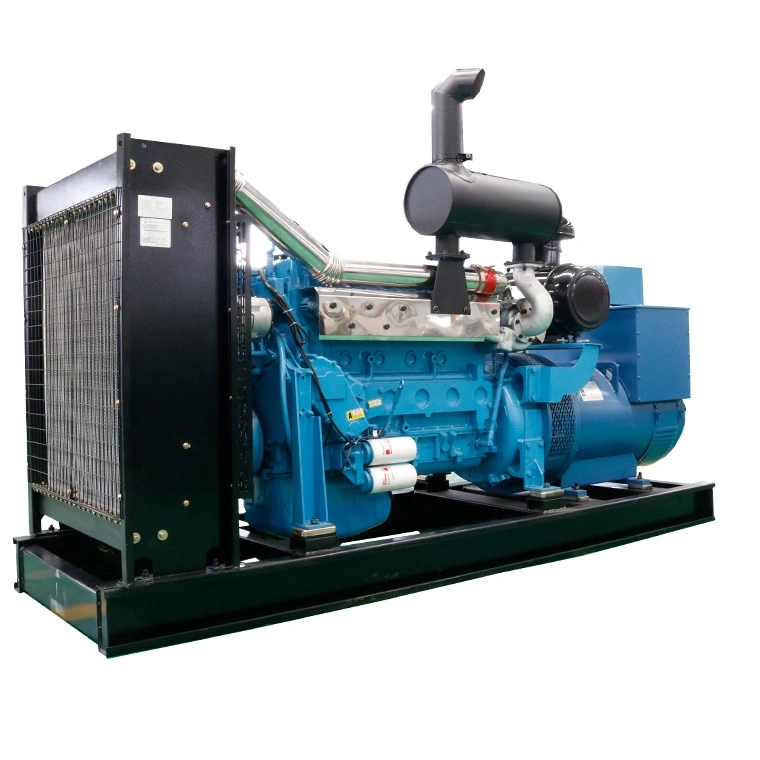
Diesel generators operate on the principle of converting diesel fuel into electrical energy through a combustion process. The basic components of a diesel generator include:
1. Engine: The engine is the core component of a diesel generator responsible for converting the chemical energy in diesel fuel into mechanical energy.
2. Alternator: The alternator converts the mechanical energy produced by the engine into electrical energy, which is then sent to the output terminals for distribution.
3. Fuel System: Diesel generators have a fuel tank that stores diesel fuel, a fuel pump that delivers fuel to the engine, and fuel injectors that atomize the fuel for combustion.
4. Cooling System: Diesel generators require a cooling system to prevent overheating during operation. This system typically includes a radiator and a fan to dissipate excess heat.
Key Considerations When Choosing a Diesel Generator for Outdoor Events
1. Power Requirements: Determine the total power requirements of your outdoor event, including the wattage of all equipment and appliances that need to be powered.
2. Portability: Consider the portability of the generator, especially if you need to move it between different locations or set it up in remote areas.
3. Noise Level: Some diesel generators can be noisy during operation, which may be a concern for outdoor events where noise pollution is an issue. Look for https://www.lkpowerplant.com/product/ with sound-attenuated enclosures for quieter operation.
4. Run Time: Choose a diesel generator with a run time that meets the needs of your event. Consider factors such as fuel tank capacity and fuel consumption rate when assessing run time.
5. Maintenance Requirements: Regular maintenance is essential to ensure the optimal performance of a diesel generator. Consider the ease of maintenance and availability of spare parts when choosing a generator for your event.
Maintenance Tips for Diesel Generators
1. Regular Inspections: Perform regular visual inspections of the generator, including checking for leaks, loose connections, and signs of wear and tear.
2. Oil and Filter Changes: Follow the manufacturer's recommendations for oil and filter changes to maintain the efficiency and longevity of the generator.
3. Fuel Quality: Use high-quality diesel fuel to prevent clogs and engine damage. Consider adding fuel stabilizers to extend the shelf life of the fuel.
4. Cooling System Maintenance: Keep the cooling system clean and well-maintained to prevent overheating and ensure efficient operation of the generator.
5. Professional Servicing: Schedule regular servicing by a qualified technician to address any issues and ensure that the generator is operating at peak performance.
Safety Precautions When Using Diesel Generators for Outdoor Events
1. Proper Ventilation: Place the generator in a well-ventilated area to prevent the buildup of exhaust fumes, which can be harmful if inhaled.
2. Fire Safety: Keep the generator away from flammable materials and ensure that it is positioned on a stable surface to prevent tipping over.
3. Electrical Safety: Follow proper grounding procedures and use appropriate safety measures when connecting the generator to electrical equipment.
4. Carbon Monoxide Detection: Install carbon monoxide detectors near the generator to alert you to the presence of this odorless and deadly gas.
5. Emergency Procedures: Have an emergency plan in place in case of a generator malfunction or power outage, including contact information for emergency services.
Conclusion
Diesel generators are a reliable and efficient power source for outdoor events, providing the electricity needed to run equipment, lighting, and other essential components. By understanding how diesel generators work, key considerations when choosing a generator, maintenance tips, and safety precautions, event organizers can ensure a successful and safe event experience for attendees. Whether it's a music festival, wedding, or sporting event, diesel generators play a crucial role in powering outdoor events and creating memorable experiences for all involved.